
How to Lower Blood Sugar Naturally: 10 Proven Methods That Actually Work
High blood sugar, or hyperglycemia, is a growing concern affecting millions of people worldwide. Whether you’ve been diagnosed with prediabetes, Type 2 diabetes, or simply want to keep your glucose levels in check, knowing how to lower blood sugar naturally can make a significant difference in your long-term health.
The good news? You don’t always need medication to manage your blood sugar. Simple lifestyle changes, diet adjustments, and natural remedies can go a long way. In this guide, we’ll walk you through 10 proven methods that are both safe and effective.
1. Exercise Regularly — Even a 10-Minute Walk Helps
Physical activity is one of the most powerful tools to lower blood sugar naturally. When you exercise, your muscles use glucose for energy, which helps reduce the amount of sugar circulating in your bloodstream. Studies show that even a brisk 10–15 minute walk after meals can reduce post-meal blood sugar spikes by up to 22%.
You don’t need to hit the gym every day. Activities like cycling, swimming, yoga, or even housework count. Aim for at least 150 minutes of moderate activity per week.
2. Cut Back on Refined Carbohydrates and Sugary Foods
Refined carbs — white bread, white rice, sugary cereals, pastries — digest quickly and cause sharp spikes in blood sugar. Replacing them with whole grains, legumes, and fiber-rich vegetables can help stabilize your glucose levels over time.
Foods with a low glycemic index (GI) are your best friends. Think lentils, oats, berries, and leafy greens. These foods release glucose slowly into the bloodstream, preventing dangerous spikes.
3. Protect Your Gut Health
Approximately 70% of your immune system lives in your gut, closely associated with your gut microbiome — the trillions of bacteria, viruses, and fungi that call your digestive tract home. A diverse, balanced microbiome is essential for proper immune function.
To support gut health, eat plenty of fiber (vegetables, fruits, whole grains, legumes), consume fermented foods (yogurt, kefir, sauerkraut, kimchi, miso), and avoid unnecessary antibiotic use, which can disrupt the microbiome.
Probiotic supplements may also help, particularly after antibiotic use or for people with digestive issues.
4. Exercise Regularly — But Don’t Overdo It
Moderate, consistent exercise is a powerful immune booster. It improves circulation (helping immune cells move through the body more efficiently), reduces inflammation, and supports lymphatic drainage.
Studies consistently show that people who exercise moderately (30 minutes most days) have fewer infections and recover more quickly when they do get sick.
However, excessive intense exercise without adequate recovery can temporarily suppress immune function — a phenomenon well-documented in endurance athletes. Balance is key.
5. Manage Stress Proactively
Chronic psychological stress is one of the most powerful immune suppressors we know of. It elevates cortisol levels, which suppresses the production and activity of immune cells. It promotes inflammation and impairs the body’s ability to respond to vaccines and fight infections.
Effective stress-management techniques include mindfulness meditation, journaling, time in nature, social connection, therapy, and creative hobbies. Even 10 minutes of deep breathing daily can meaningfully reduce cortisol levels.
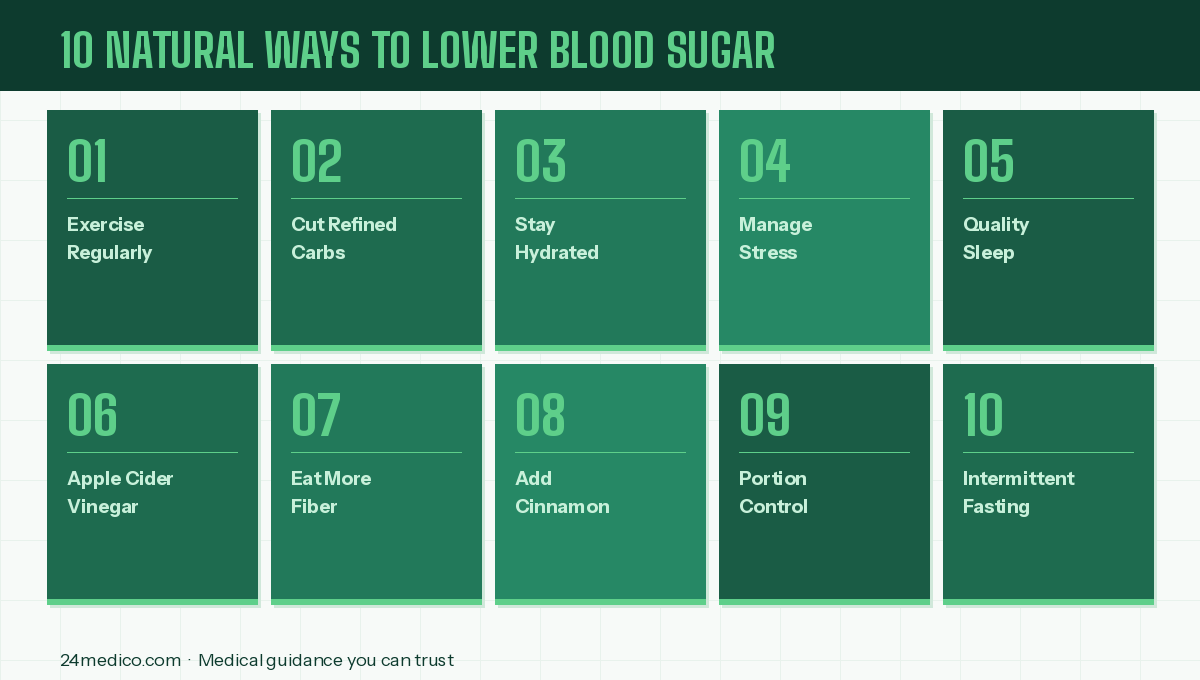
6. Stay Hydrated
Water is essential for virtually every bodily function, including immune health. Lymph — the fluid that circulates immune cells throughout your body — is largely made of water. Dehydration can impair lymphatic function and slow immune response.
Drink at least 8 glasses (2 liters) of water per day and increase intake during exercise, hot weather, or illness.
7. Get Enough Vitamin D
We’ve already discussed vitamin D deficiency, but it’s worth emphasizing here: vitamin D is critical for immune function. It directly activates T-cells and helps regulate the immune response so it doesn’t overreact (which can lead to autoimmune conditions) or underreact.
Safe sun exposure, vitamin D-rich foods, and supplementation where necessary are all effective ways to maintain optimal levels.
8. Don’t Smoke and Limit Alcohol
Smoking damages nearly every component of the immune system — from the mucous membranes in the respiratory tract to the activity of white blood cells. It’s one of the most harmful things you can do to your immune defenses.
Excessive alcohol consumption suppresses the production of immune cells, impairs the gut barrier, and disrupts the microbiome. Moderate consumption (if you drink at all) is the safest approach.
9. Consider Immune-Supporting Supplements
While no supplement is a magic bullet, certain ones have reasonable evidence behind them for immune support. These include vitamin C (particularly for reducing duration of colds), zinc (reduces severity and duration of colds when taken early), elderberry extract (some evidence for reducing flu duration), and probiotics (for gut-immune health).
Always consult a healthcare provider before starting new supplements, especially if you have underlying conditions or take medications.
10. Stay Up to Date on Vaccinations
This one isn’t often mentioned in “natural immunity” articles, but it’s scientifically undeniable: vaccines are the most effective tool we have for priming your adaptive immune system to recognize and fight specific pathogens. They work with your natural immunity, not against it.
Stay current on flu shots, COVID-19 boosters, and other age-appropriate vaccines recommended by your healthcare provider.
When to Seek Medical Advice
If you’re getting sick frequently (more than 4–5 infections per year), taking unusually long to recover, or experiencing recurrent infections in unusual locations, your immune system may need medical evaluation. Underlying conditions like immune deficiencies, autoimmune disorders, or chronic infections may be at play.
At 24medico.com, our healthcare professionals can assess your immune health and develop a comprehensive plan tailored to your individual needs.